CREATING CONVERSATIONS THROUGH ART
Visibility Through Art 2017
CREATING CONVERSATIONS
THROUGH ART
Visibility Through Art 2017
Launched in 2017 as an extension of Nisenan Heritage Day, the Visibility Through Art initiative was created to amplify the visibility of Nisenan People, while inviting the broader community to engage more deeply with Nisenan history, Culture, and enduring presence in their Ancestral Homelands.
Bringing together local artists, Nisenan Tribal members, and community members, the exhibition used art as a catalyst for education, conversation, and connection. Through dialogue and collaboration, participating local non-Native artists developed works that encouraged visitors to reflect on the stories, histories, and living Culture of the Nisenan People.
Art, Visibility, and Relationship
While the vision began with the intention to increase Nisenan visibility through art, the program’s earliest years ultimately became about something even more foundational: building relationships. Visibility Through Art created opportunities for Tribal members, local artists, allies, and the broader community to come together in thoughtful conversation, cultivating trust, mutual understanding, and a shared commitment of honoring Nisenan history and supporting the Tribe’s ongoing Cultural revitalization. These relationships became the foundation upon which the program would continue to grow.
EXHIBITING
Participating Artists: Shelly Covert (Nevada City Rancheria Nisenan Tribal Spokesperson), Carolyn Bloom, Frank Callozzo, Andy Cerrona, Mira Clark, Alex Dita, Jose Dominguez, Ashley Foreman, Jennifer Rugge, Valerie Stuart, Alyssa Walz, and Anthony West
How Can I Call This Home
Spoken Word Poem by Gavrila Nikhila
How can I call this home?
My root begins to drop but hovers just above the blood soaked, tear soaked ground.
I have lived here for years now. My body roars alongside the rushing river as she howls for winter rain droplets to merge with her.
I surrender beneath her shallow warmed waters that become darker and darker as life grows from sun beamed nourishment. And as my hands graze ancient rocks at the bottom of her full belly, I hear the wells of sorrow again.
Were these the stones that you once swallowed between your legs so that you could protect the one aspect of yourself that you could call your own? This land is cracked with massacre, with perversion, with greed.
There is an everlasting tremble, the reverberating trauma of the people whose home this was before.
Don’t be fooled by the concrete, the roads, the houses, the glitter of the Nevada City lights. There was life underneath it all.
There was life erased.
As our people plowed into this land of rushing river, set up camp, eager for gold, You were plowed over.
Could you catch a breath? Did it happen quicker than you could blink? Was it a surprise or did you know, have a foreboding or warning, that everything was about to change?
A tsunami of invaders, looking past you, you were a mere obstacle in the way, no longer seen as a human being at all. My mind fast forwards and rewinds as dominance silences fear.
As ugly white hands force tanned ones into a corner. Gold piles grow as edible earth is devoured by carefully constructed explosions.
How many children were killed? If the people that built this very town, built it over your former home.
Then how, I ask, how can I call this home? My heart trembles, tears leak to meet yours in the soil.
You had to go to sleep so that no one would know you were still breathing. Where did all the others go? Tell me. Are they still trembling beneath my feet as I walk within my life?
Are they whispering prayers in the wind so that they won’t be forgotten?
Perhaps I tend the soil and grow the food so that I can hear their song, so I can remember.
Please, keep singing. I am listening.
Let us remove our shoes so that we remember that we walk on holy ground. .
Gallery of Artworks
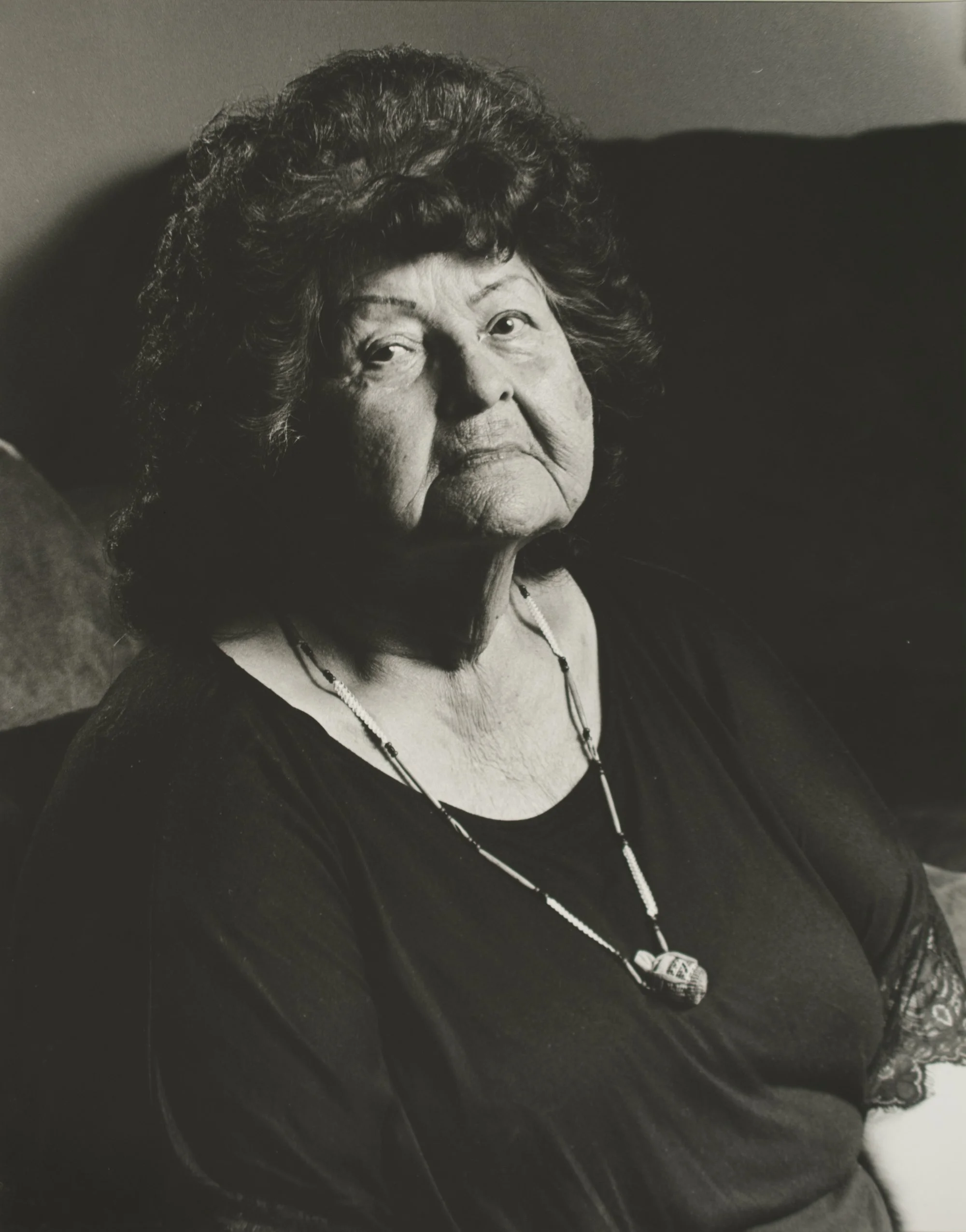
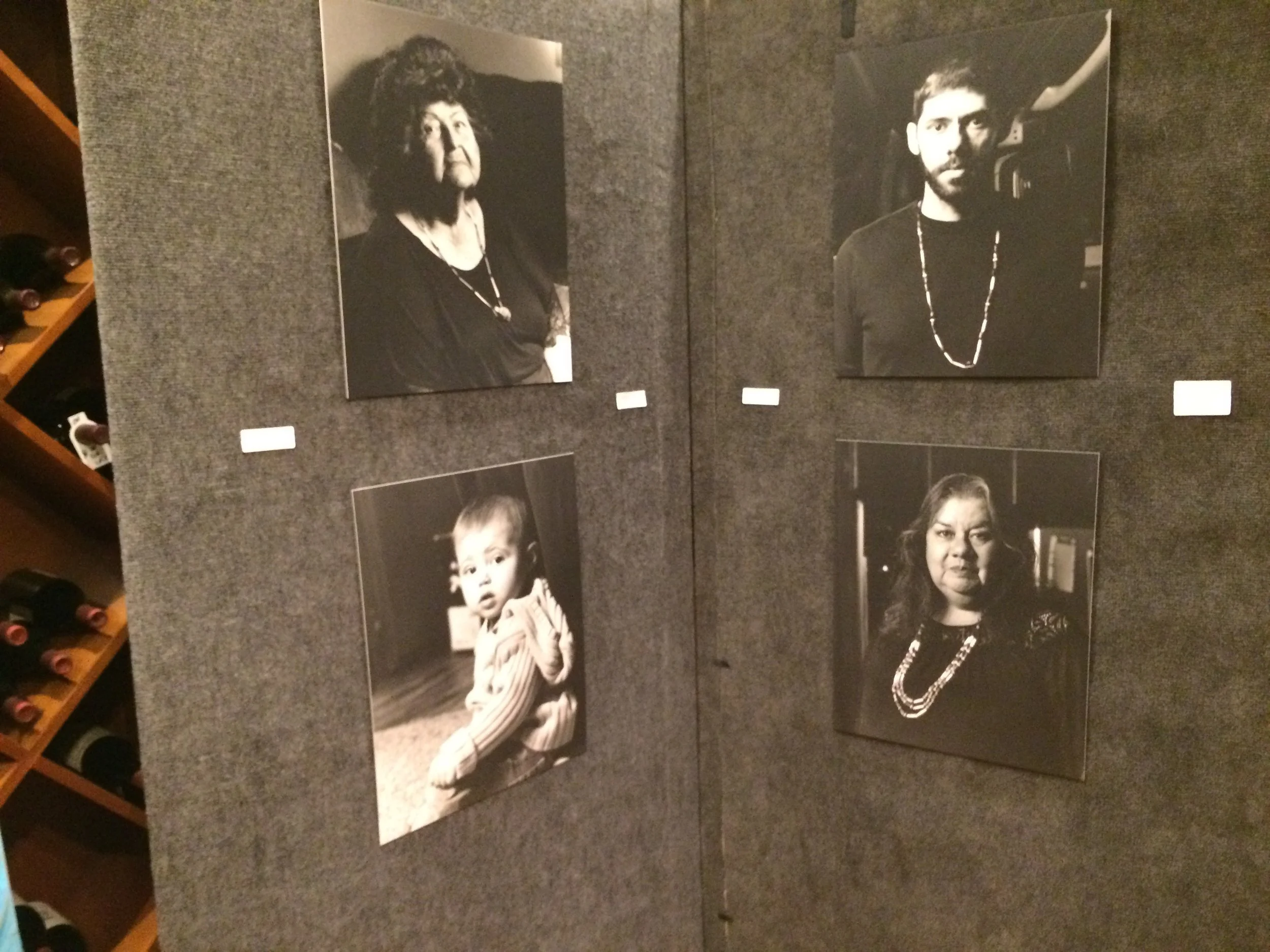
Four Generations: Evelyn Rose by Alex Dita. Format negatives processed and enlarged by darkroom process. ___________________________________________ Four generations of Nevada City Rancheria Nisenan Tribal Members.
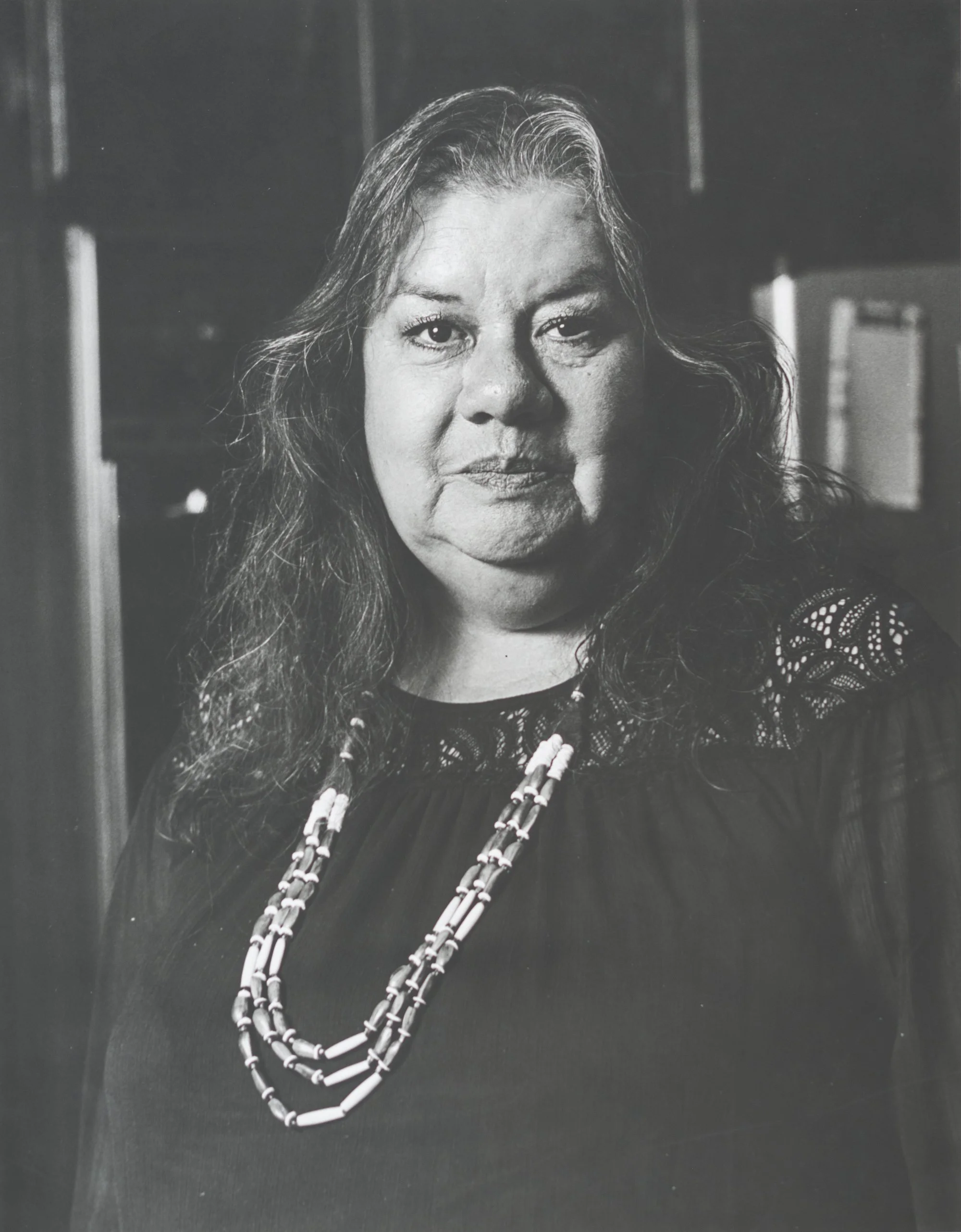
Four Generations: Sarah Thomas by Alex Dita. Format negatives processed and enlarged by darkroom process. ___________________________________________ Four generations of Nevada City Rancheria Nisenan Tribal Members.
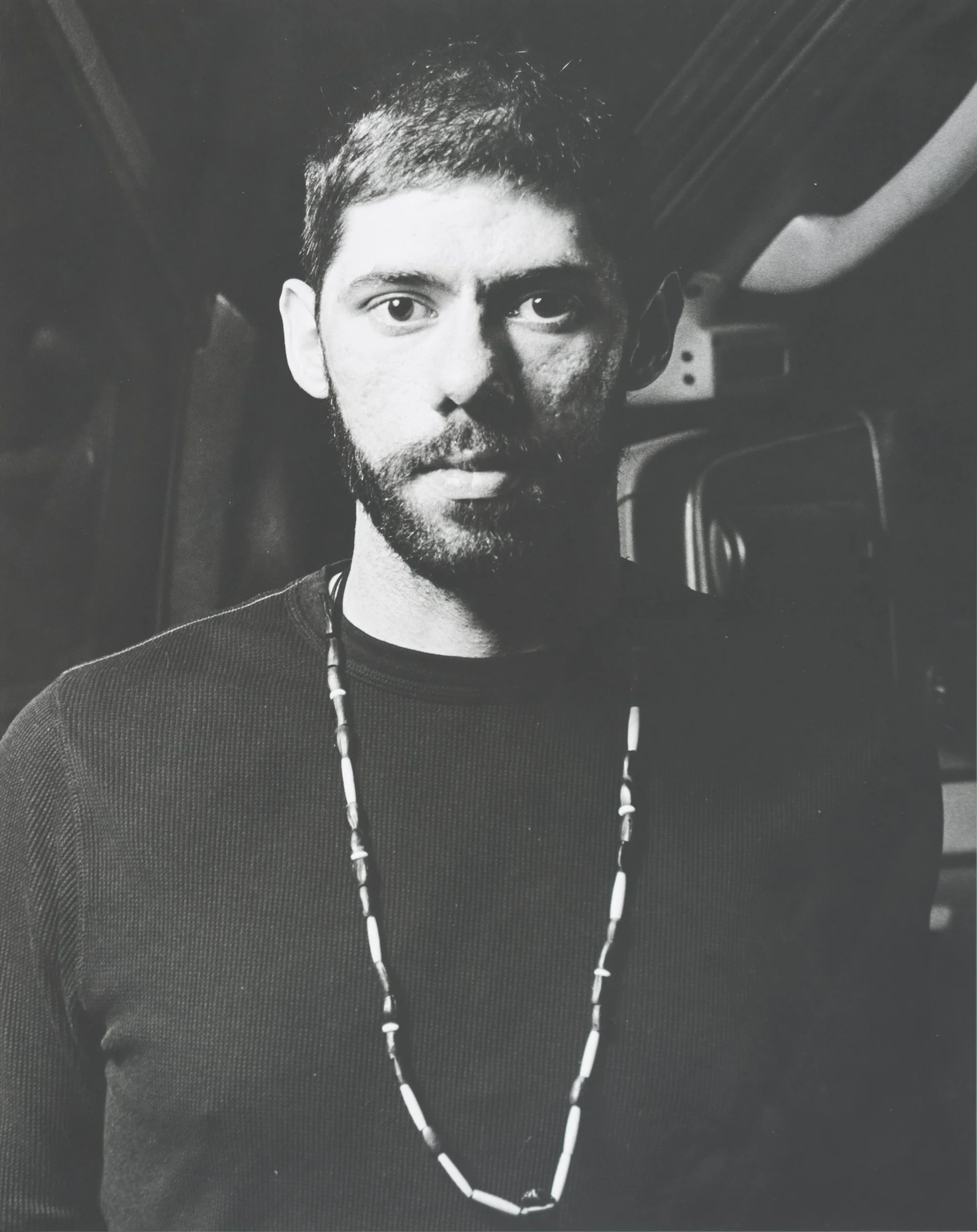
Four Generations: Saxon Thomas by Alex Dita. Format negatives processed and enlarged by darkroom process. ___________________________________________ Four generations of Nevada City Rancheria Nisenan Tribal Members.
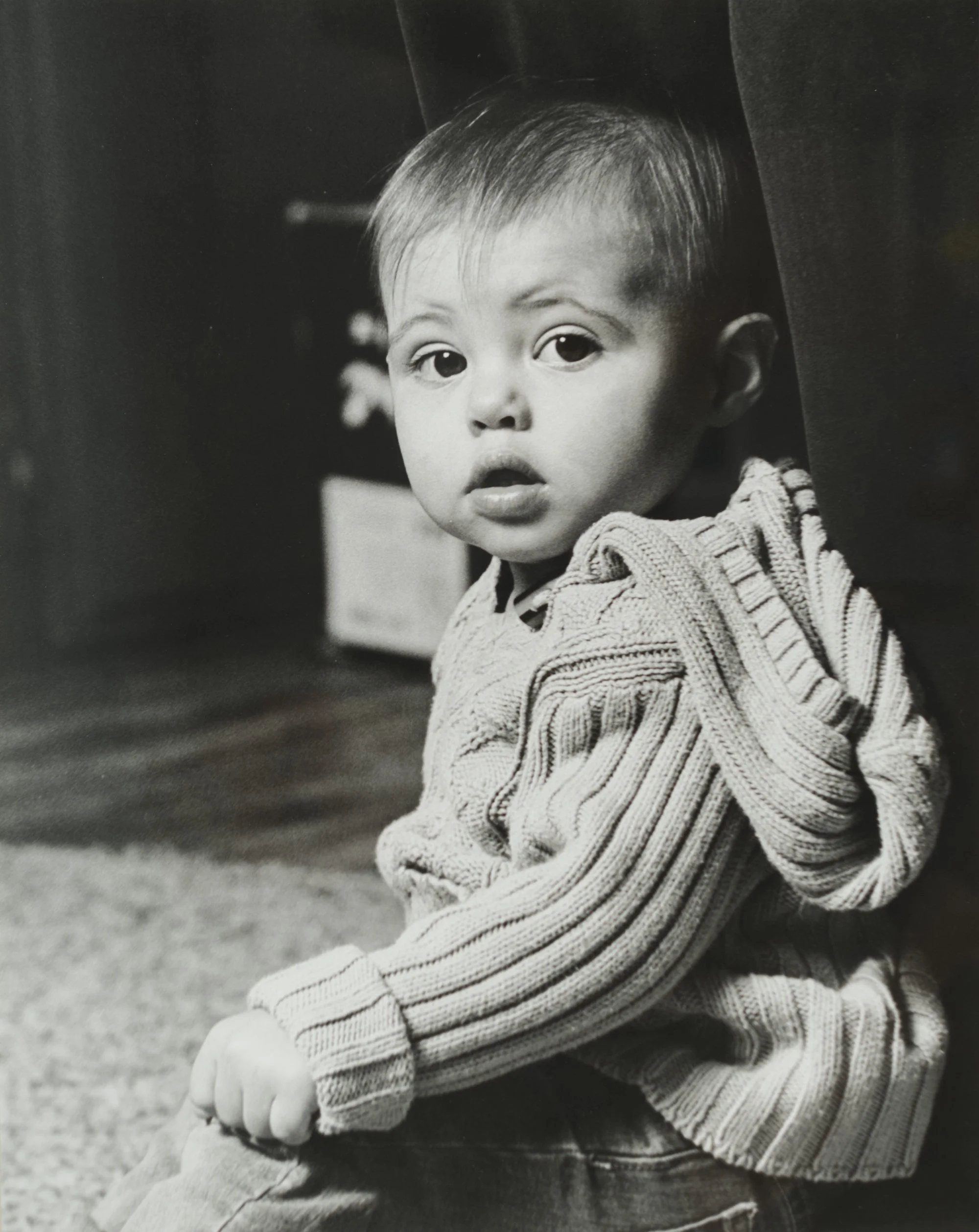
Four Generations: Natalee Thomas by Alex Dita. Format negatives processed and enlarged by darkroom process. ___________________________________________ Four generations of Nevada City Rancheria Nisenan Tribal Members.
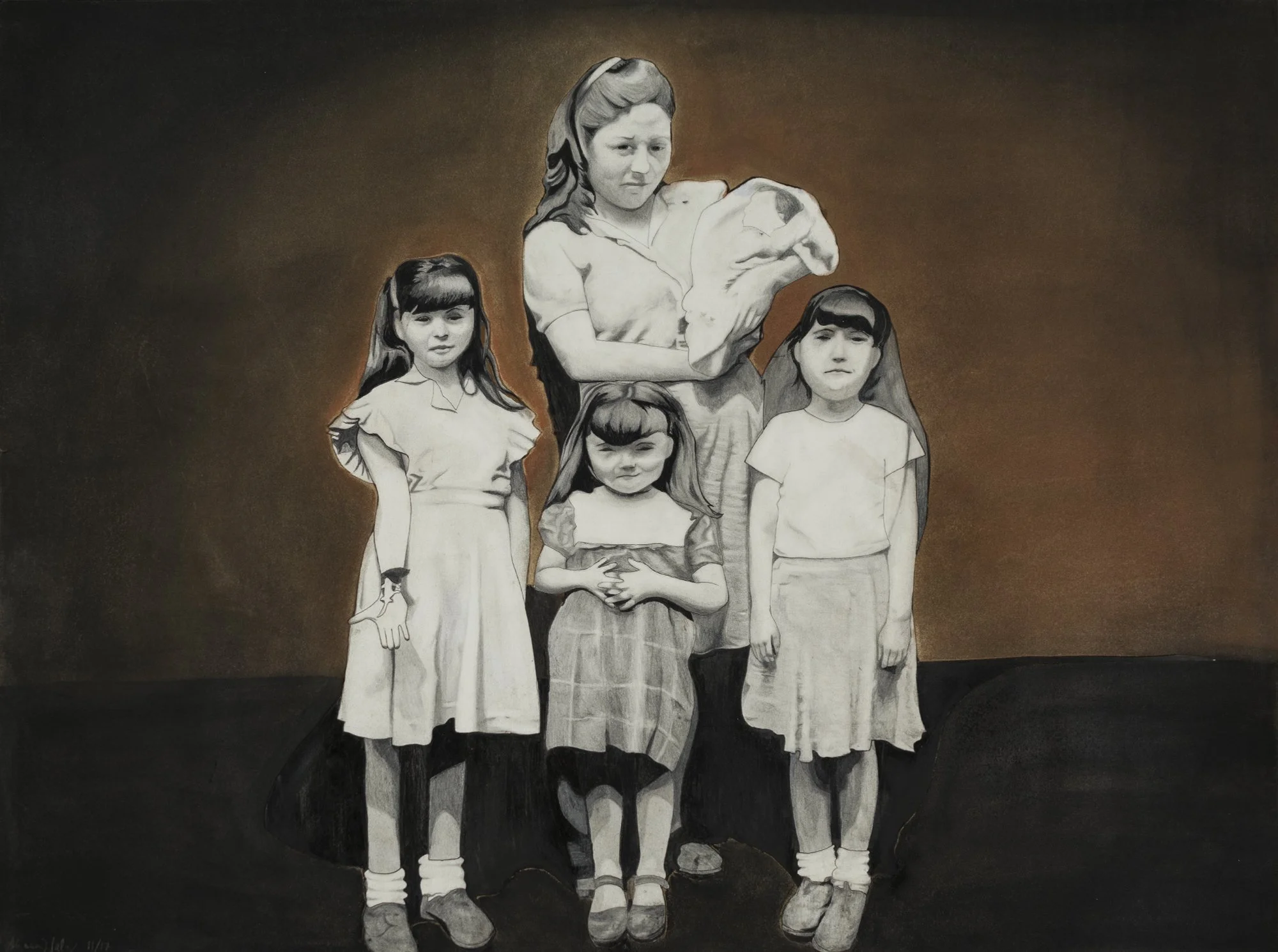
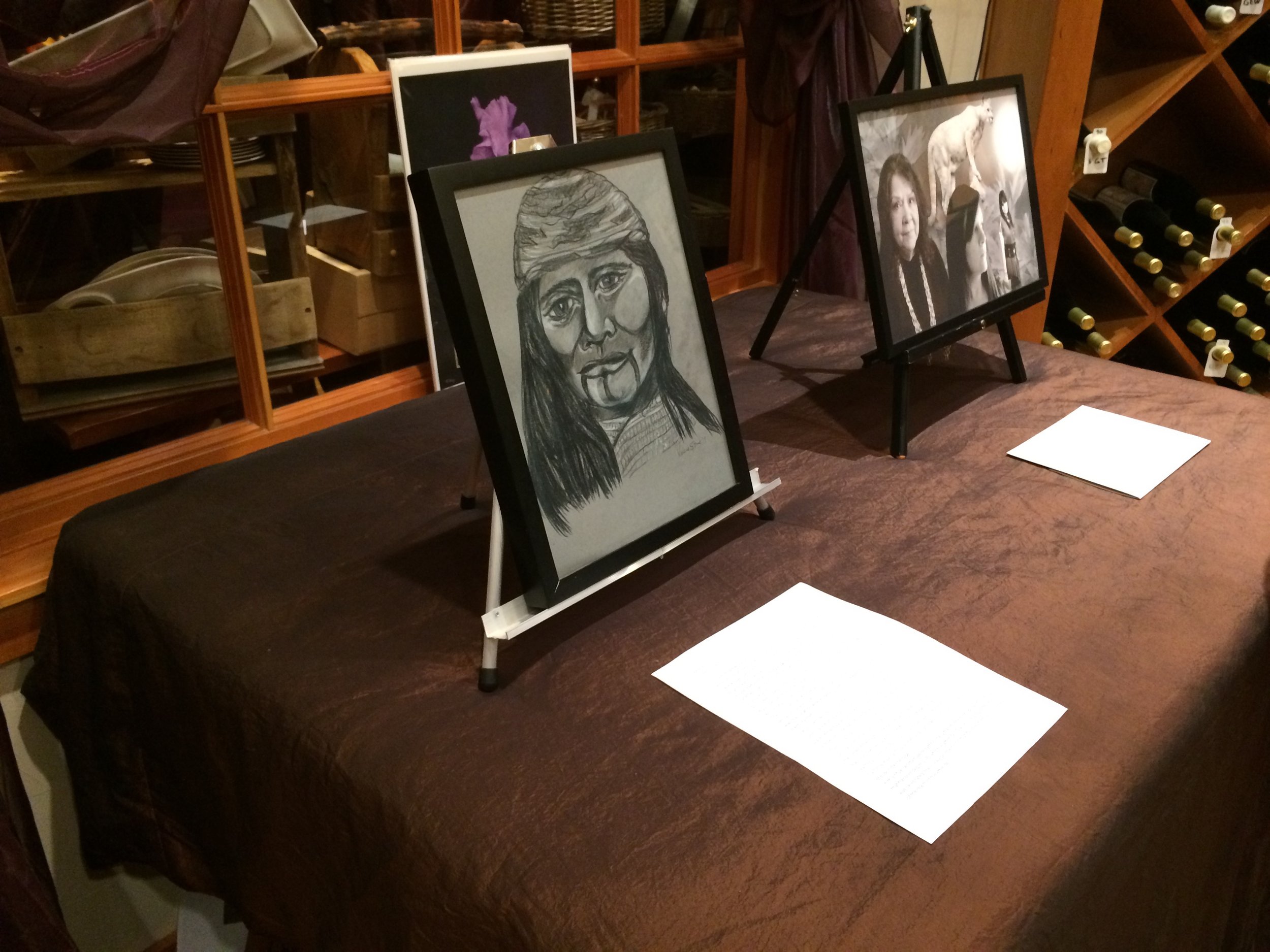
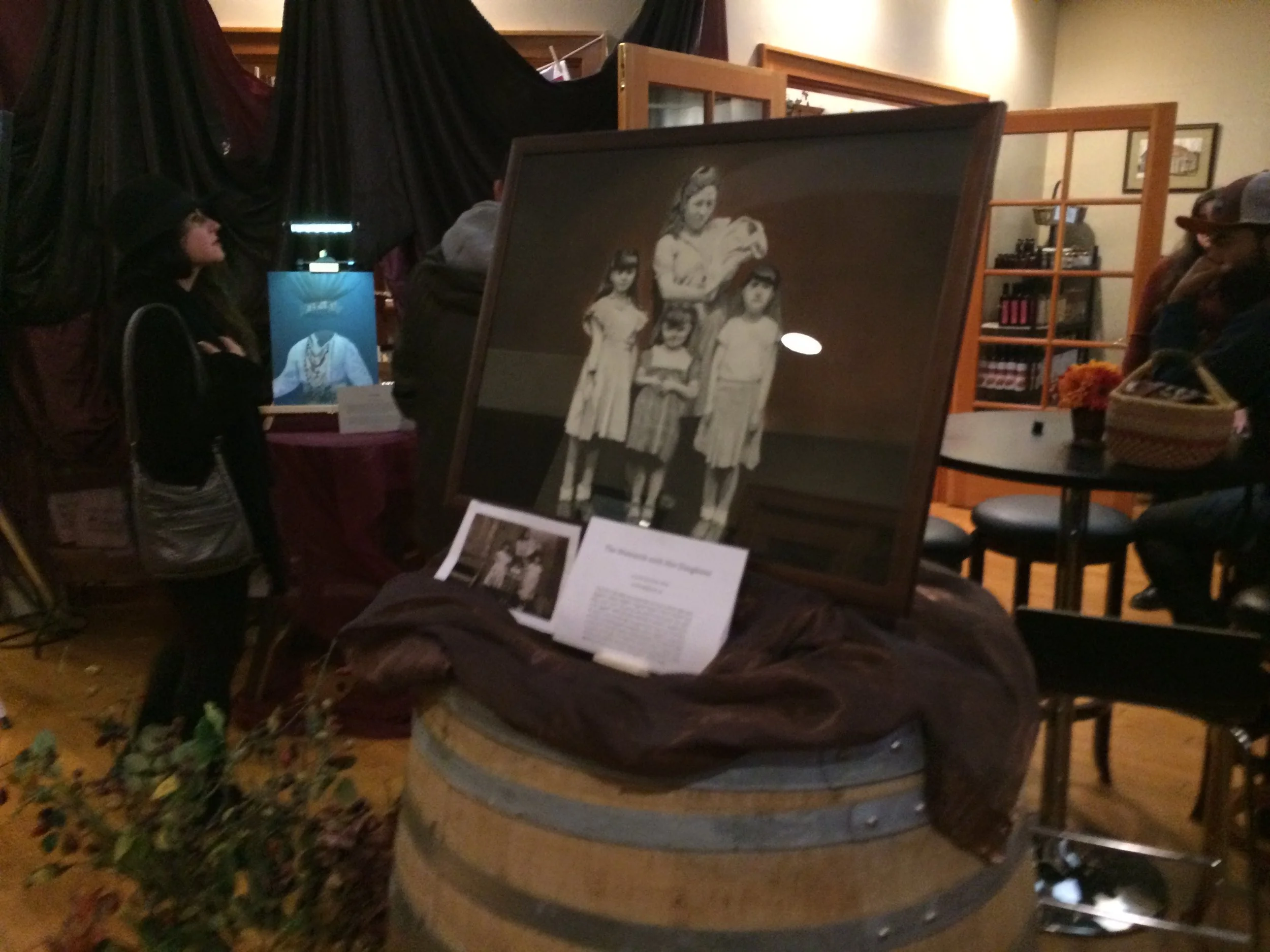
The Matriarch With Her Daughters by Alyssa Walz. Pencil, Charcoal, Pastel on Paper. ___________________________________________ “Pictured in this image are Carmel Rose Burrows and her eldest four daughters, Alberta ‘Birdie,’ Virginia ‘Ginger,’ Doris ‘Doedoe,’ and baby Lorena ‘Lori.’ The picture was taken in front of their new cabin in the “diggings.” While this photo looks like it could be a snapshot from the 1800s, it was actually taken in 1948, Native Americans lived then, and today, in disadvantaged communities and at a deficit in comparison to much of the rest of the country.” -Shelly Covert
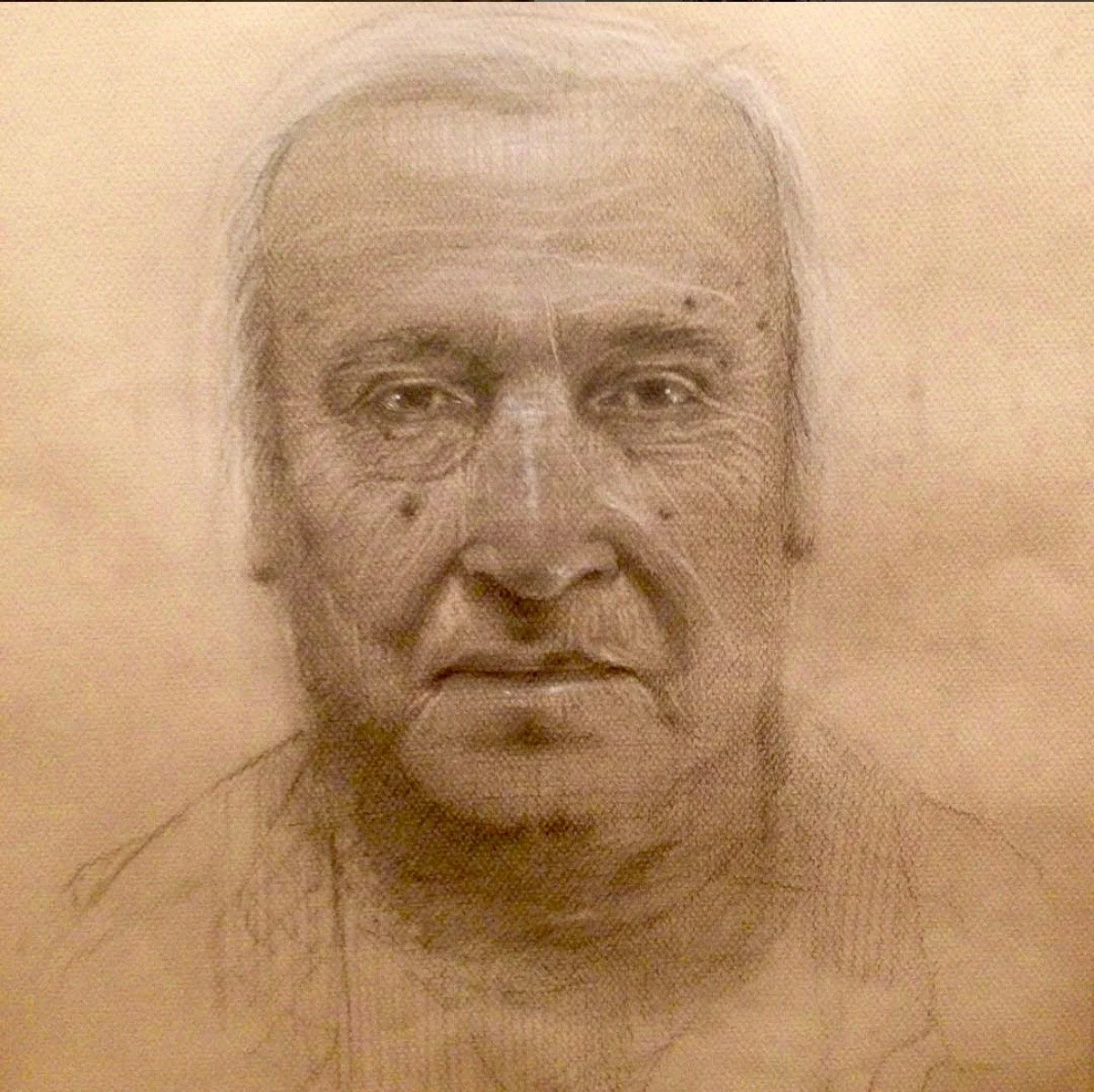
Richard B. Johnson by Jose Dominguez. Colored Pencils on Paper. ___________________________________________ Portrait of Nevada City Rancheria Nisenan Tribal Chairman Richard B. Johnson.
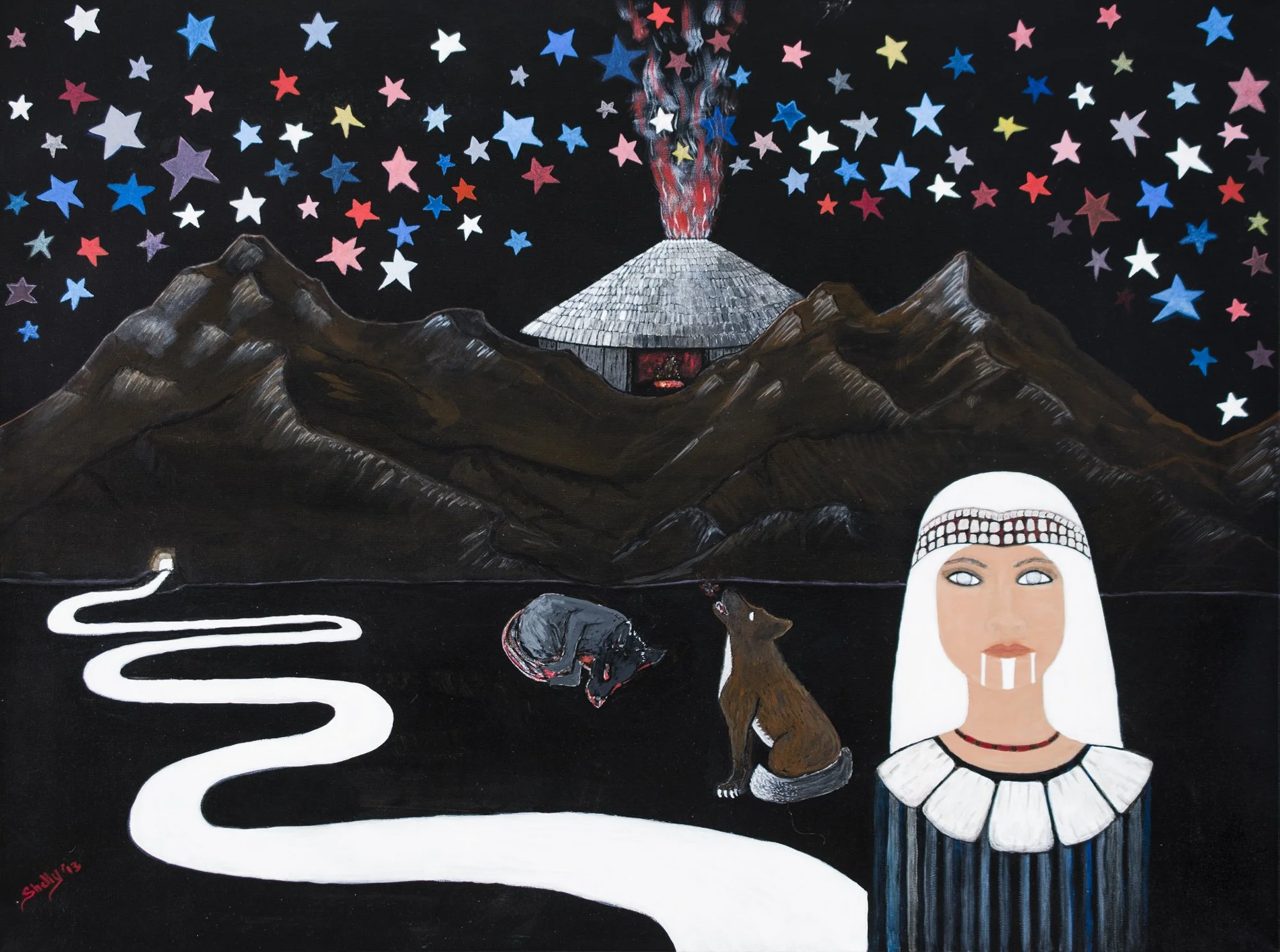
First Death by Shelly Covert, Nevada City Rancheria Nisenan Tribal Council Spokesperson. Acrylic on Canvas. ___________________________________________ It is said that when the Nisenan people were first on the earth they were not meant to die a permanent death. But, as was his way, Coyote meddled. Coyote argued that those who died should stay dead; for if they weren’t dead, how could the people have a burn or a cry? After much insisting on Coyote’s part it was such that those who died would stay dead. Sadly for Coyote, it was his own son who would be the first to lose his life in an unfortunate fall. In his grief, Coyote demanded that the Creator bring his son back to life. After all, the fall had been an accident! But dead was dead and Coyote could only mourn for the loss of his son. Coyote’s character and moral compass are the center point for many of the Nisenan stories that involve him. In a great number of these stories, Coyote portrays who we don’t want to be; Coyote does what we shouldn’t do, and Coyote says the things that shouldn’t be said. In this painting, First Death, Coyote suffers the direct outcome of his meddling ways and loses his son in an unforeseen consequence of his own making.
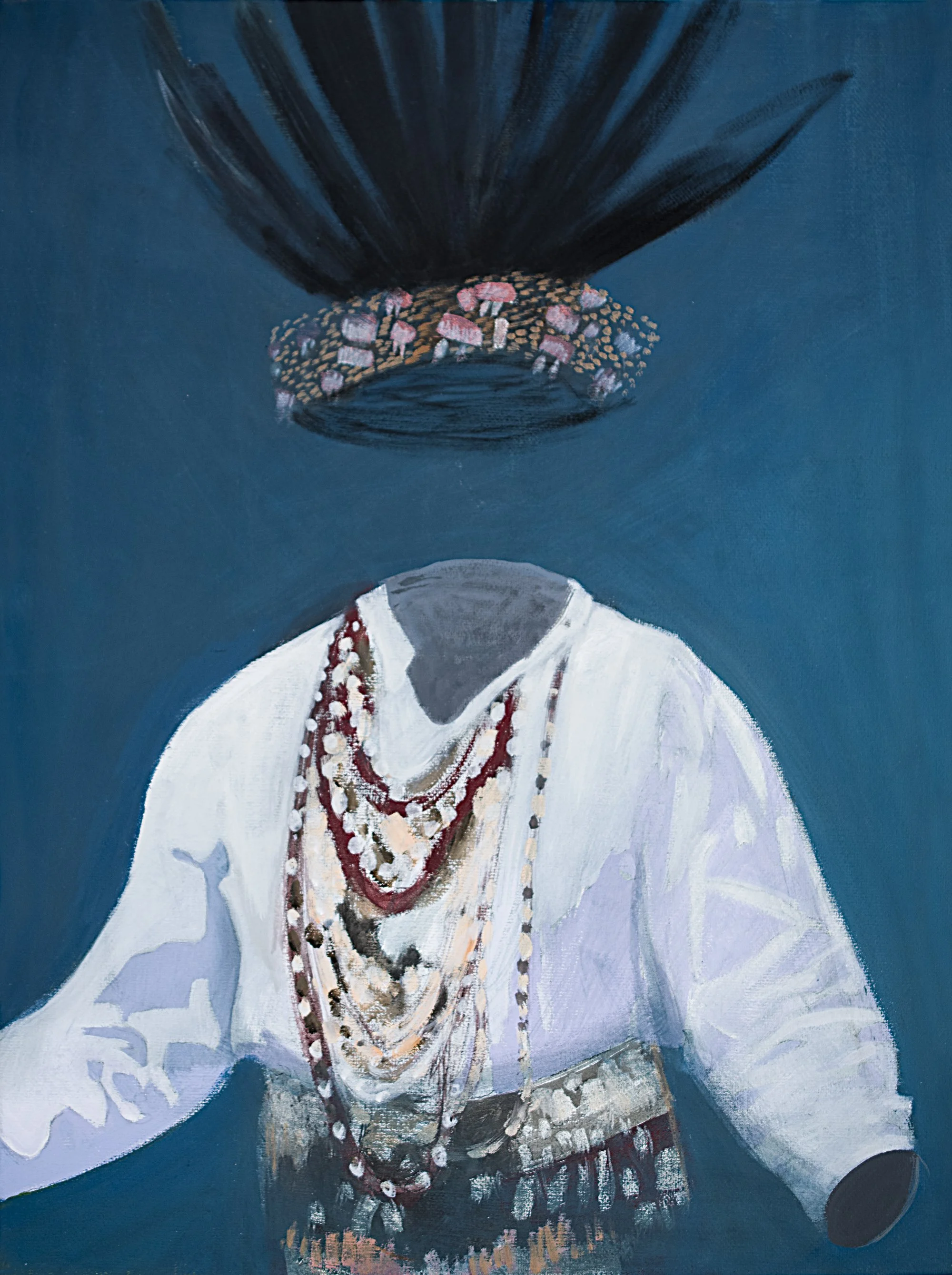
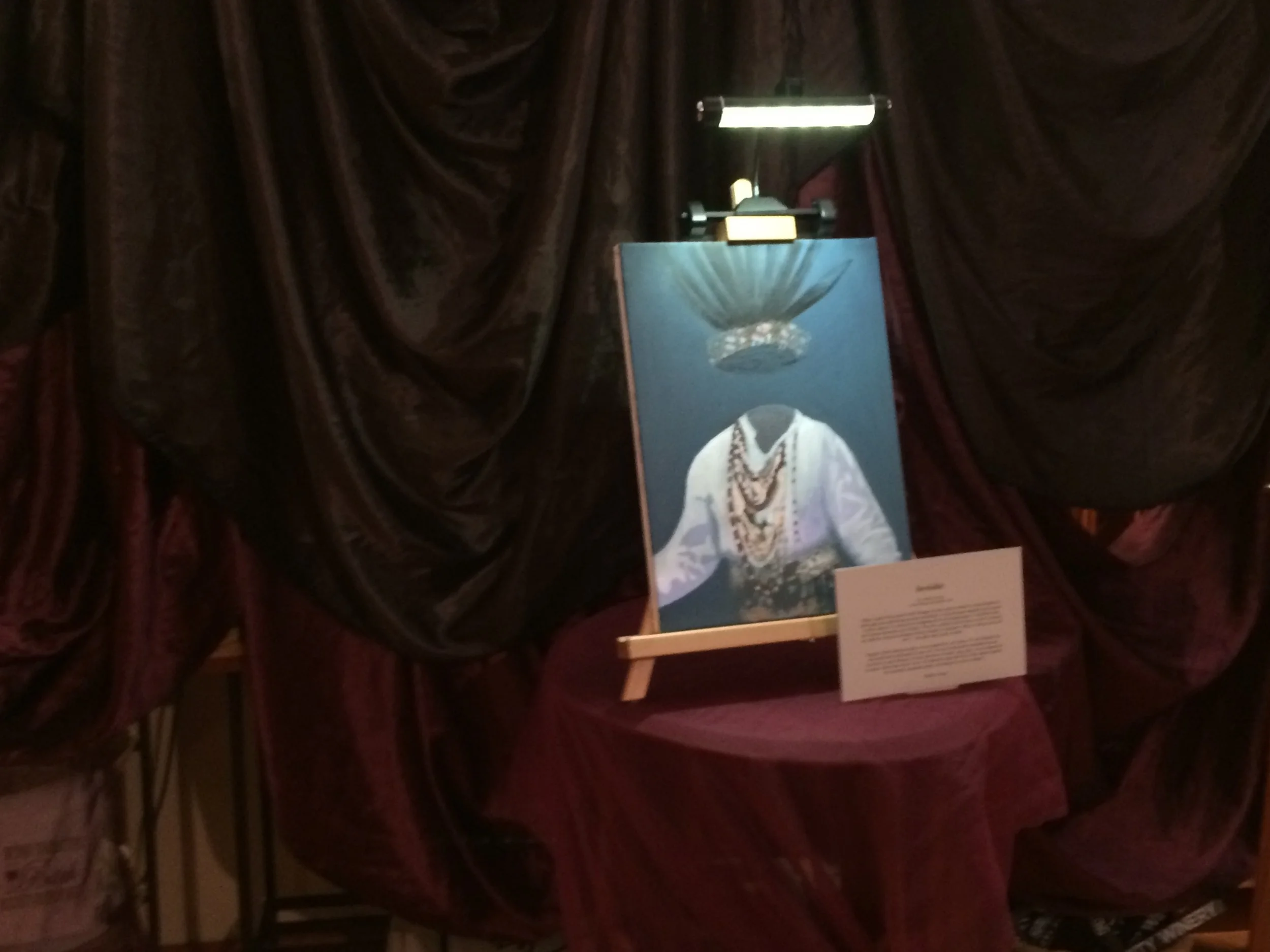
Invisible by Ashely Foreman. Acrylic on Canvas. ___________________________________________ “Regalia: When dawning regalia, we are captured by our culture. We are enfolded into ancestral history thousands of years old. We may be physically separated from our Ancestors by great distances of time, but when we dance, sing, pray, we are transported to a place where time doesn’t exist. We share the songs and lives of the culture together as if mutually incarnated at that very moment; at every moment.” -Shelly Covert When I heard of the erasure of the Nisenan, a vision came to mind of a Tribal Member in full regalia, but with the person removed entirely. It was an image inspired by the erasure of their culture. It is meant to be metaphorical for the disappearance or invisibility that the Nisenan experience here in there Ancestral Homelands. The relics, artifacts, and evidence of their existence are still here, but the knowledge of their existence to non-Nisenan is minimal. They are still present, still alive… but often made invisible.
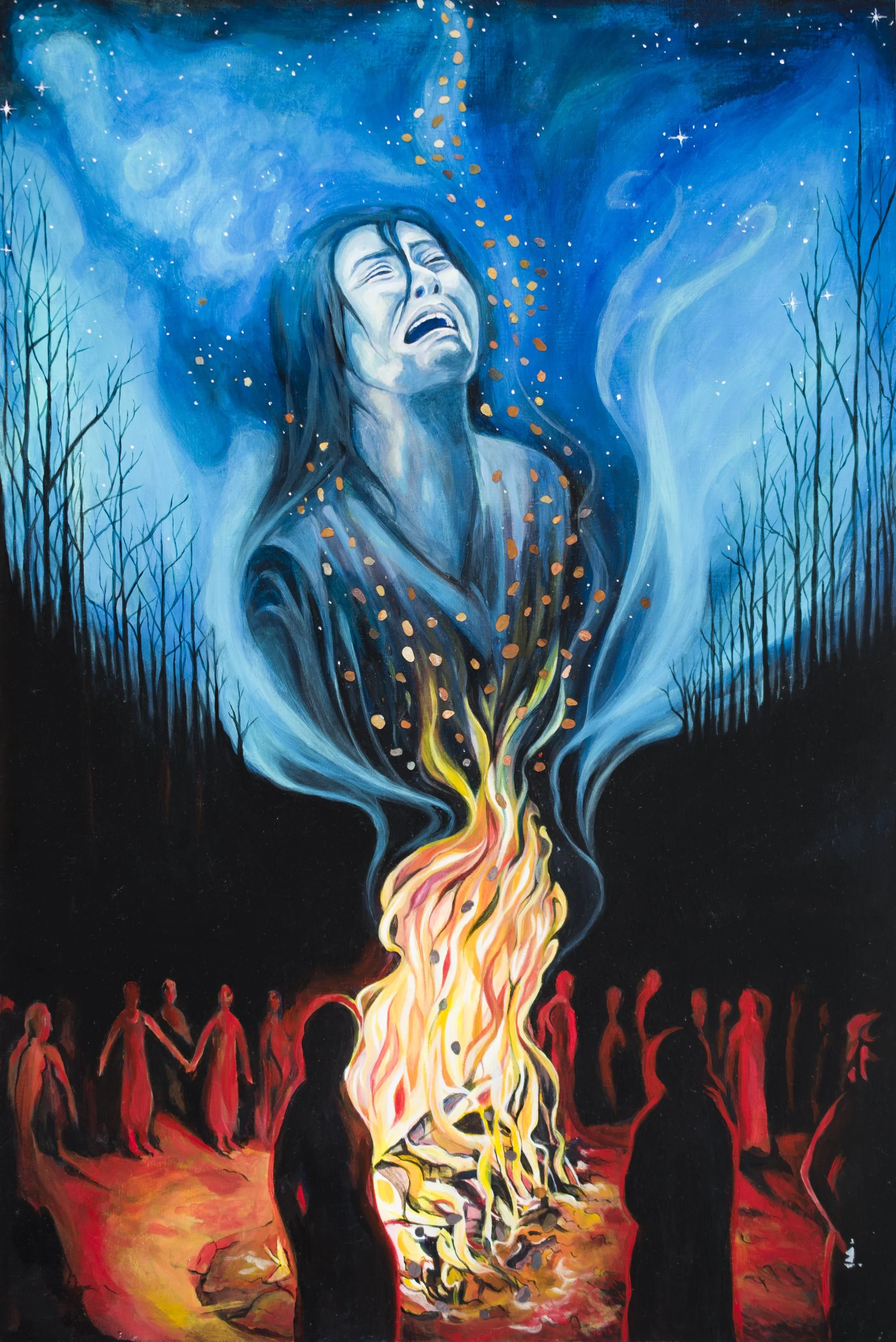
Ritual by Mira Clark. Acrylic on Wood with Stones. ___________________________________________ “The Nisenan people were a cremating society. Their ancient ritual of burning the dead dates back thousands of years and countless generations. Steeped in protocol and social design were the means to burn the departed and all their belongings, to cry and mourn their death, and to honor their remaining family members. Then, the spirit released, would travel to the sacred mountain where the first spirit food was eaten. Finally, the spirit would travel on to the Milky Way. After the Nisenan were forcibly removed and their lands taken from them, the colonizing settlers outlawed the burning of the deceased.” –Shelly Covert The small stones in this piece are from the Yuba River and represent the Nisenan's continued connection to this land. The word Yuba comes from the Nisenan "Uba" and is the only Nisenan word that remains on the landscape.
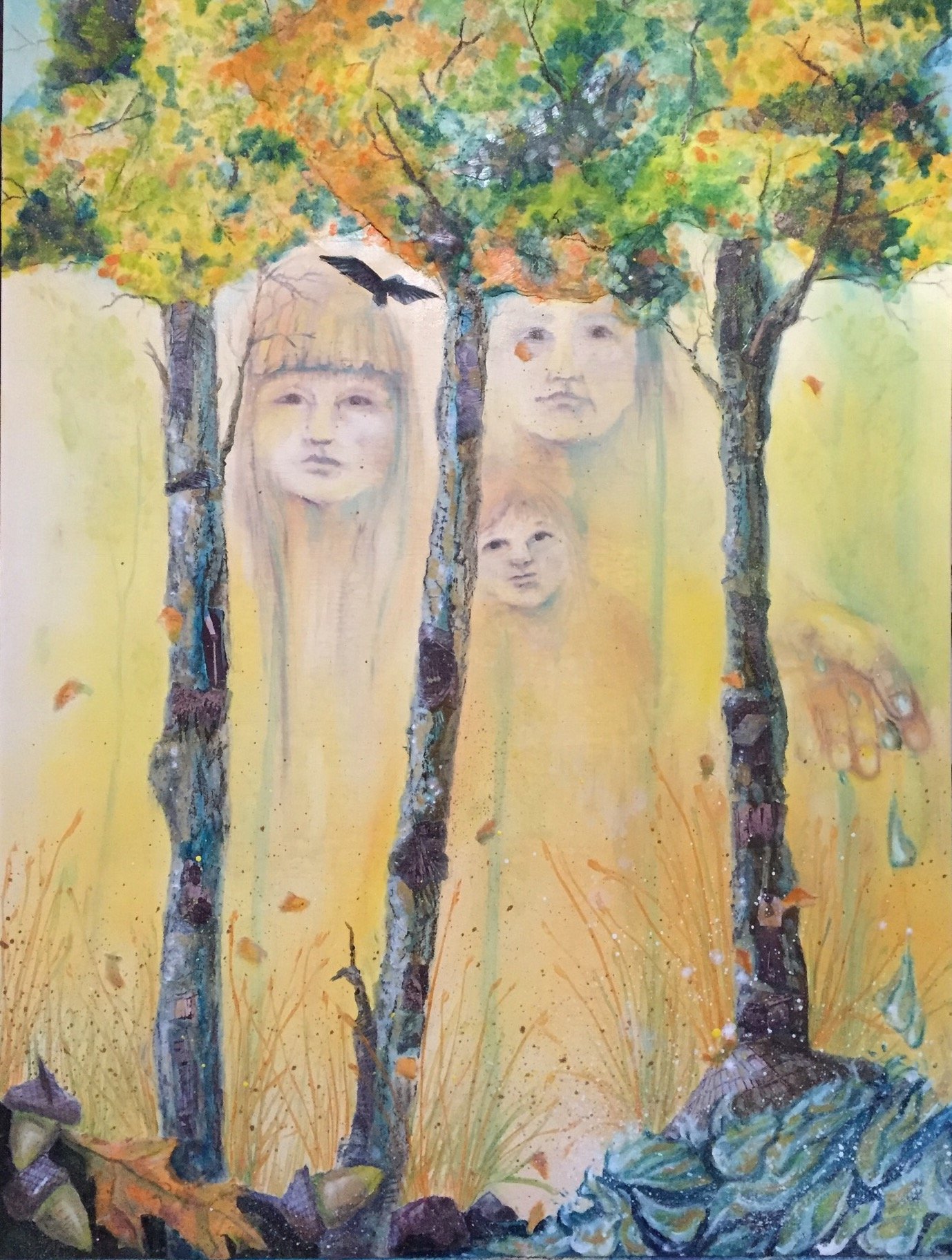
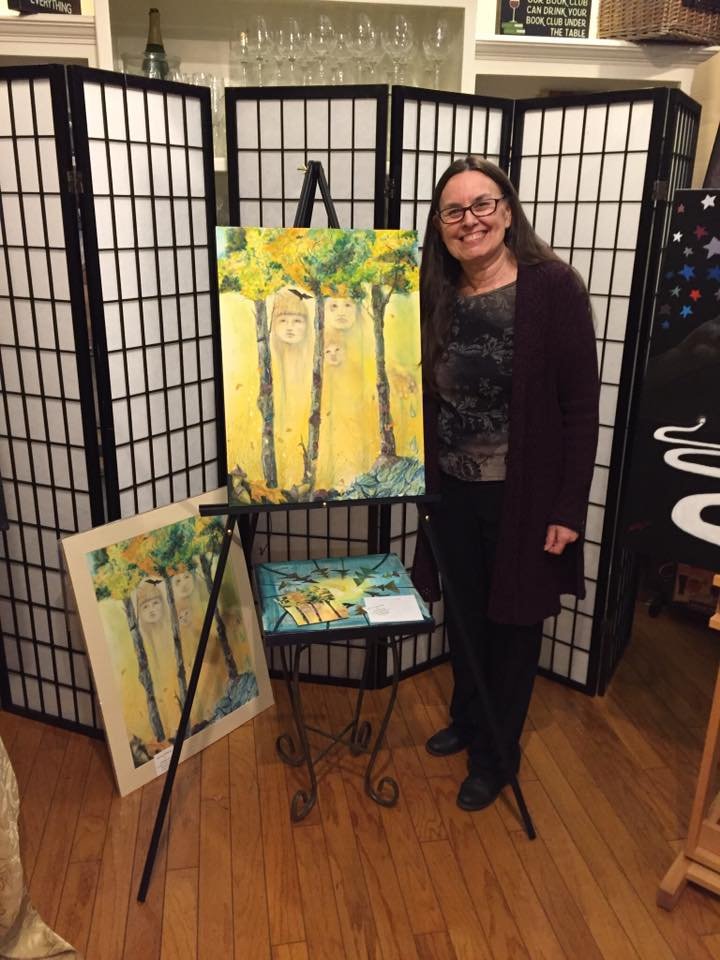
Hidden Voices by Jennifer Rugge jenniferrugge.com . Papers, photos, gold leaf and oil on wood. ___________________________________________ Inspiration for this painting comes from the stories told by Richard Johnson, author of History of Us. The acorns of the Live Oak were important to the Nisenan people for food. They replanted and grew orchards of oak trees to keep a good supply. Deer Creek was a source of water. The grasses and reeds were essential for weaving baskets. Everything changed quickly in the lives of the Nisenan with the Gold Rush in northern California. The Nisenan dwindled in numbers and their voices silenced at the hands of miners and government laws. Now the voices from the hidden past are heard once again.
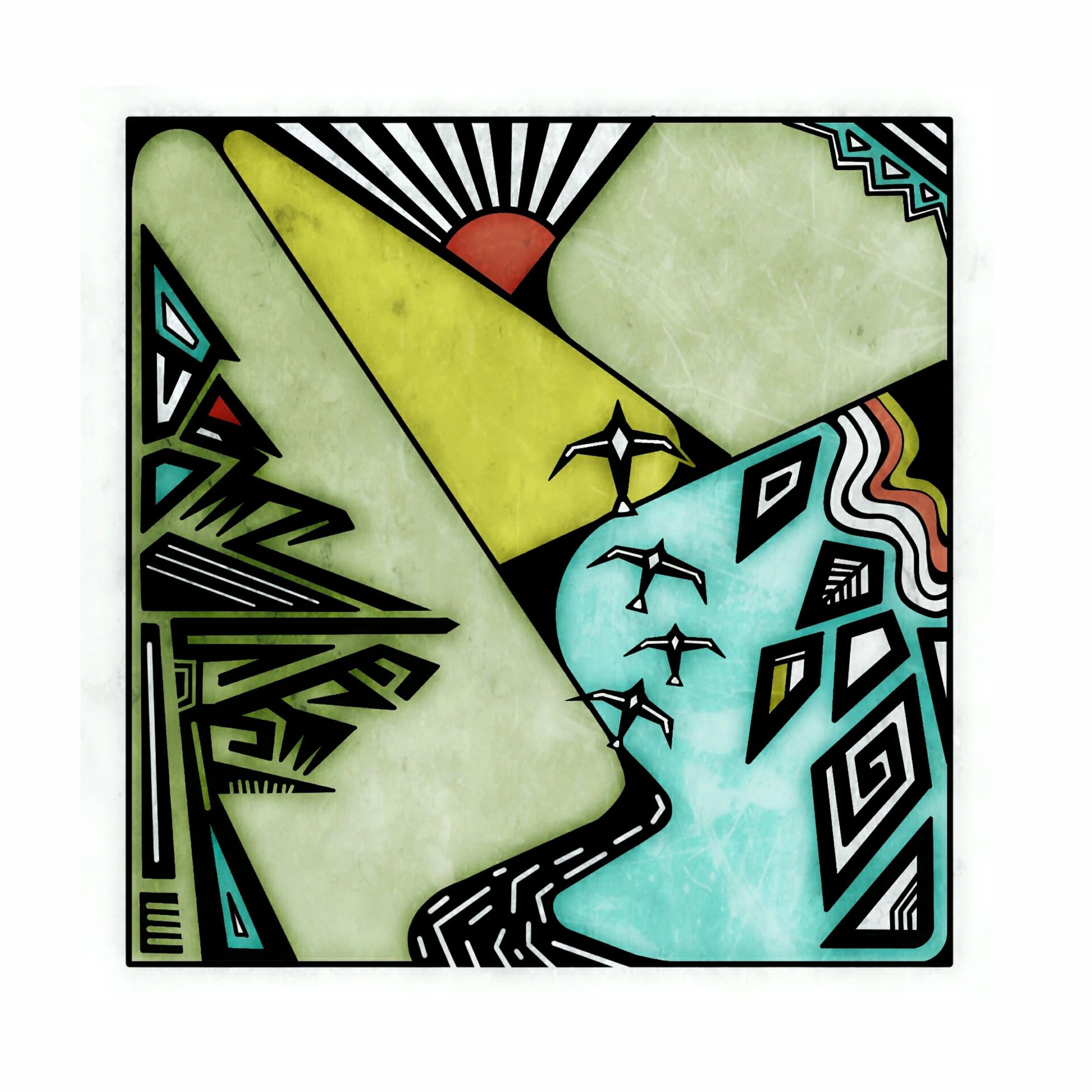
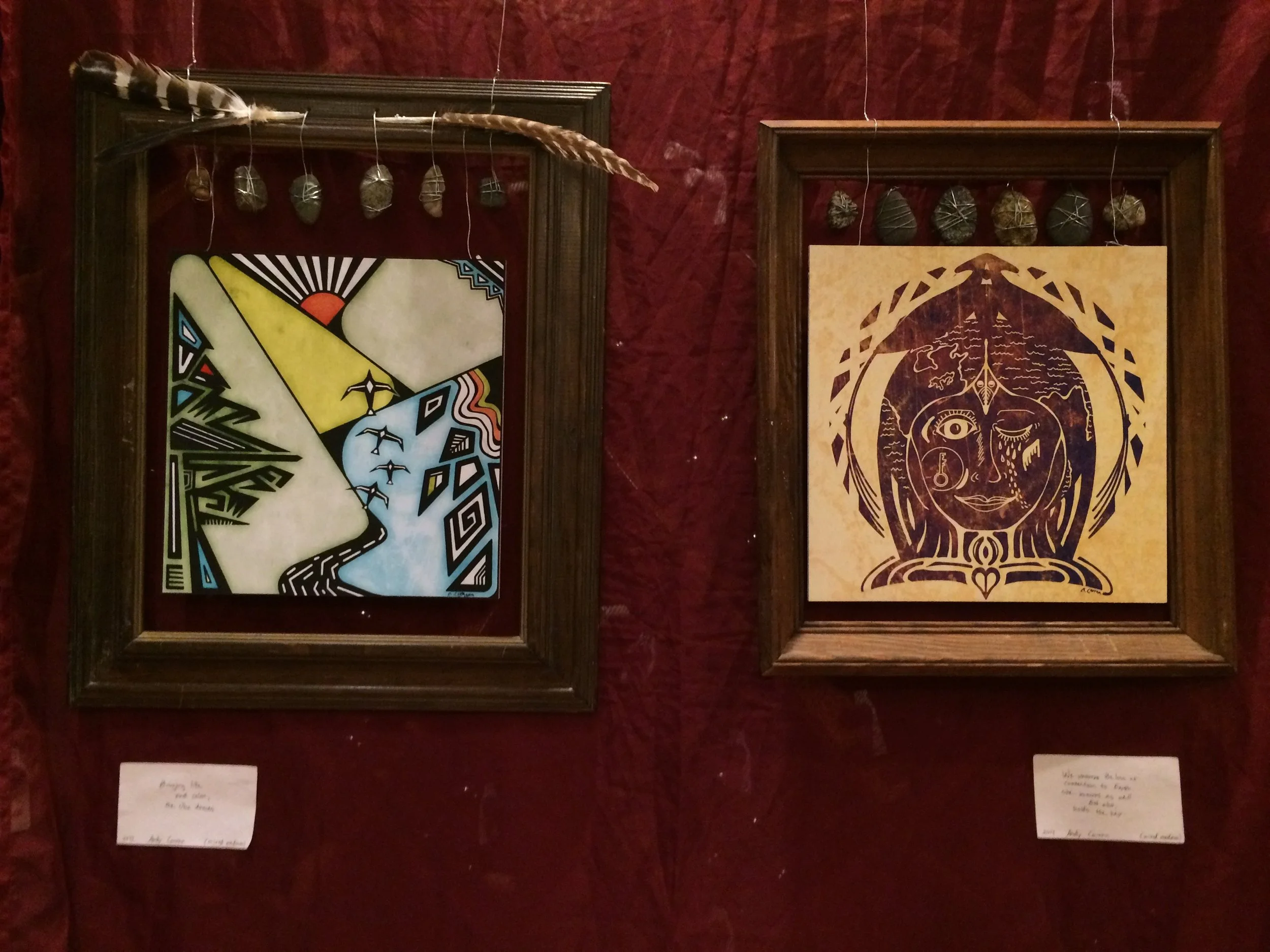
Yuba Alive by Andy Cerrona. Digital Sketch. ___________________________________________ Celebrating the life-giving force of the Yuba, and the beautiful canyon that it feeds. Expressed through shapes and angles.
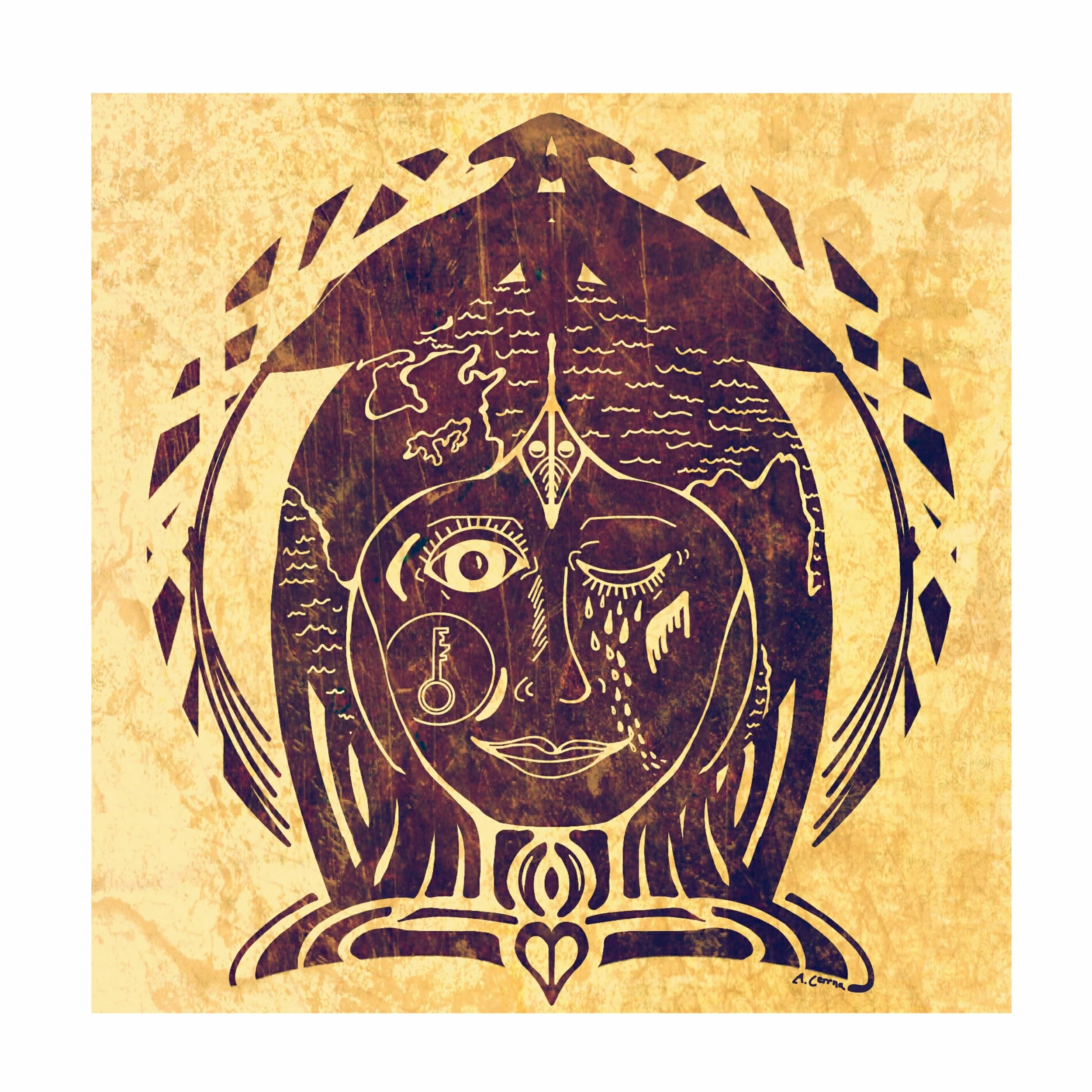
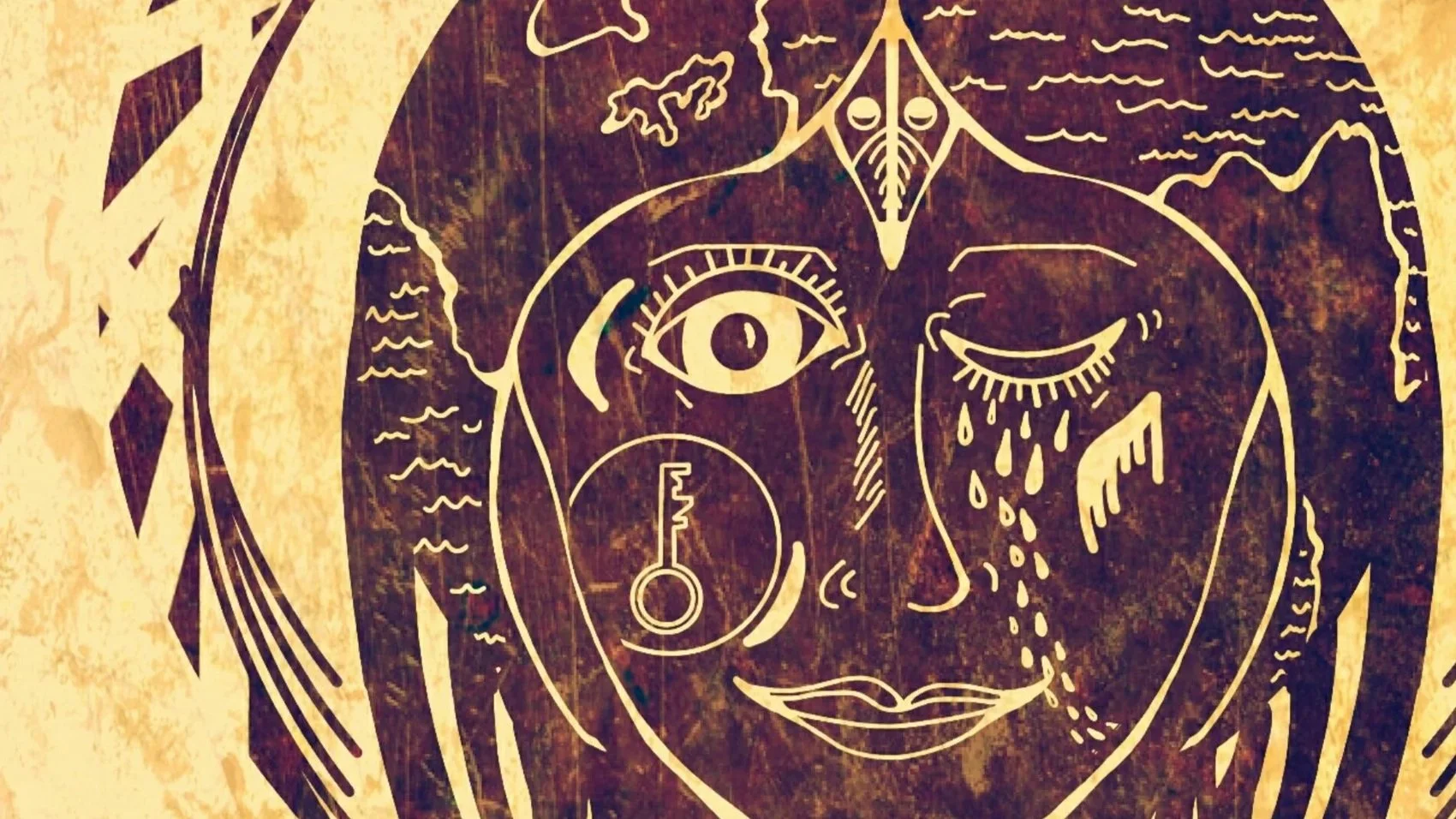
Mother With The Key by Andy Cerrona. Digital Sketch. ___________________________________________ This piece was sparked from a conversation with Shelly Covert about her experience of separation from place and earth that her Tribe experienced in the trauma of North American colonization. I strongly imagined that the earth felt this separation too, and even though it experiences loss it still holds the key for reuniting.
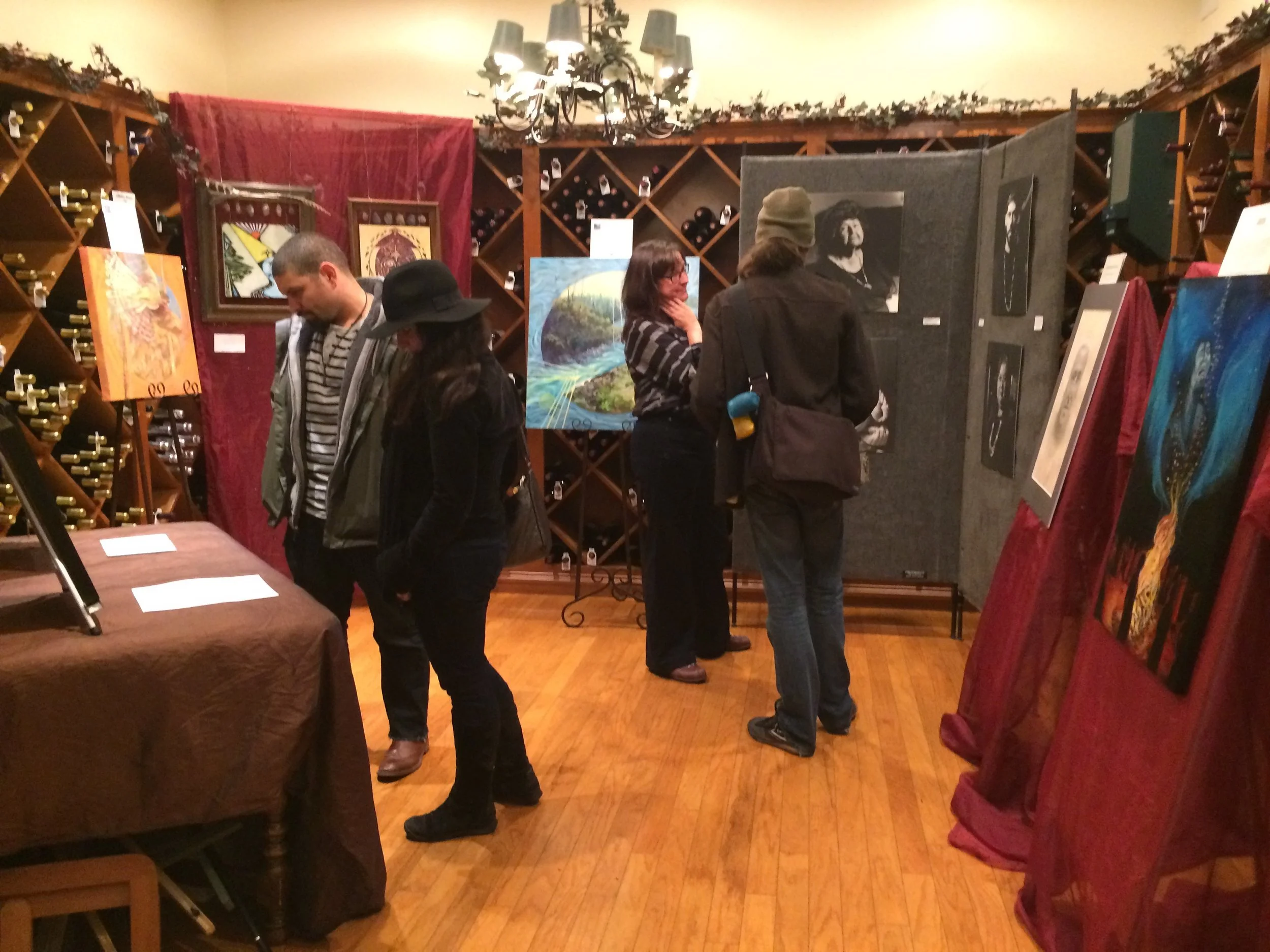
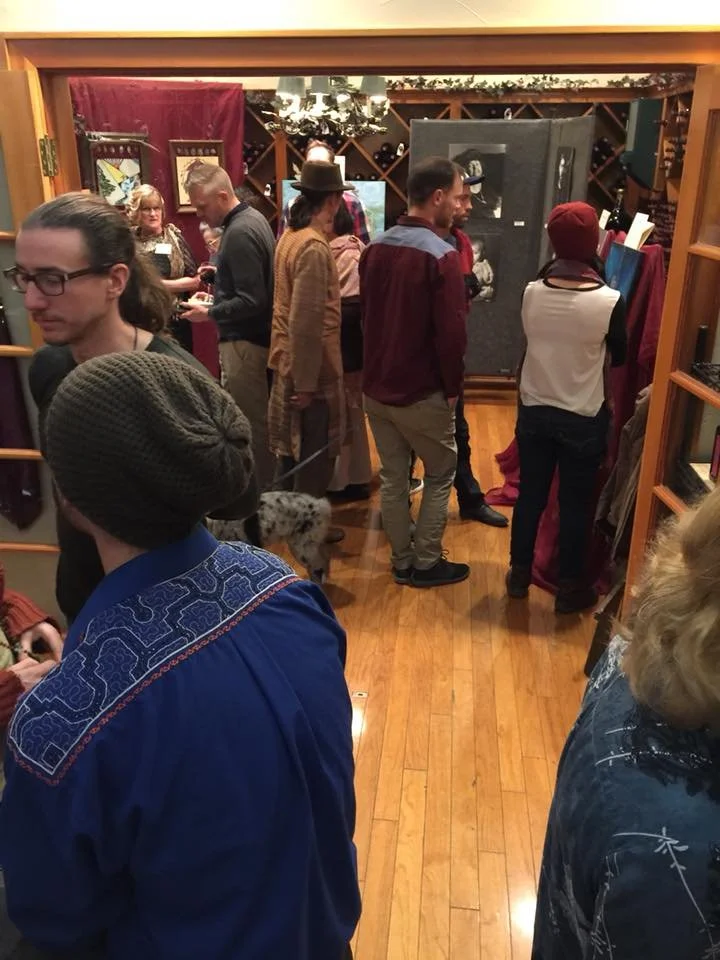
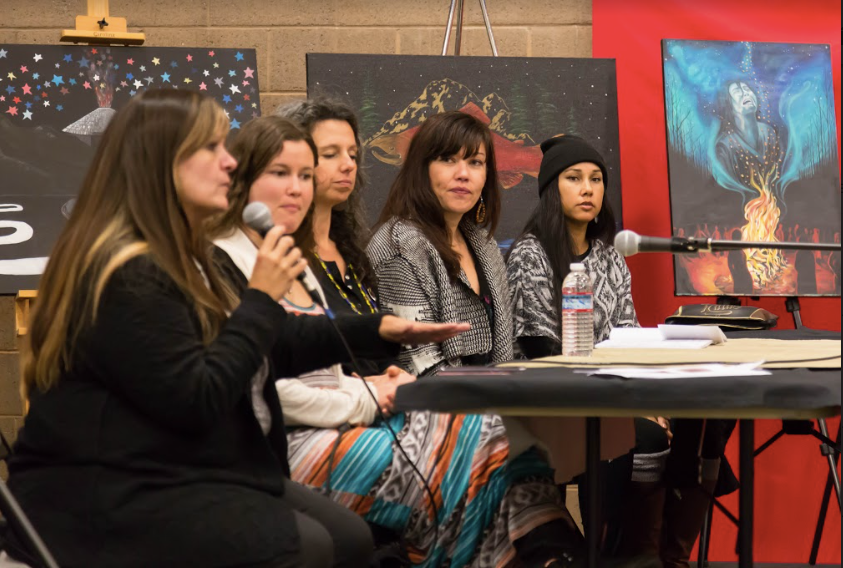
NISENAN HERITAGE DAY 2017 OPENING ART RECEPTION
Archival Note
This exhibition was presented before the opening of
'UBA SEO: Nisenan Arts & Culture gallery in 2021.
During the early years of Visibility Through Art, annual exhibitions were held in conjunction with Nisenan Heritage Day and took place at community venues throughout Nevada City.
These exhibitions helped establish the foundation for what would become the gallery and ongoing Visibility Through Art program.
Today, ‘UBA SEO serves as the permanent home for Visibility Through Art exhibitions while preserving the history of the program's earlier projects.